
What to Look for in a Commercial Construction Contractor: Experience, Safety, and Communication
A commercial build can look fine on paper and still go wrong quickly. The planning looks neat, the price feels competitive, and the contractor says all the right things. Then the site slows down, variations pile up, and nobody can give a straight answer on cost or timing.
That’s why choosing the right contractor is less about the lowest tender and more about evidence. A good contractor can show how they’ve delivered similar work, how they keep people safe, how they manage time and money, and how they communicate when things change.
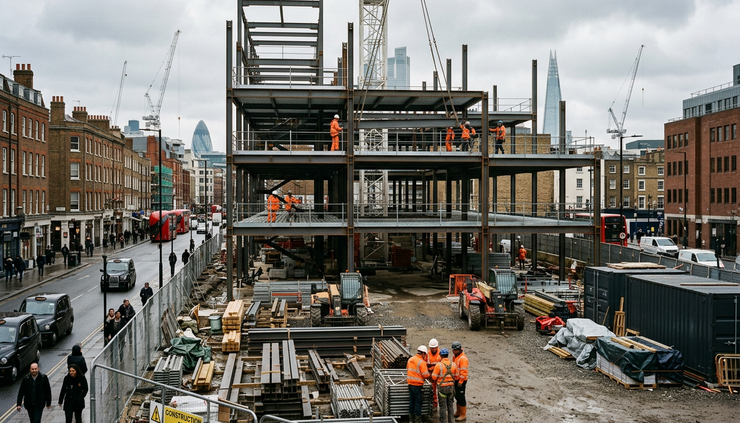
For commercial projects in London, that matters even more. Tight sites, neighbouring buildings, access limits, delivery restrictions, and occupied premises can all affect the programme. The right partner will spot those risks early rather than using them as excuses later.
Here’s how to choose a commercial construction contractor with confidence, without getting lost in technical language or sales talk.
Look for relevant experience, not just years in business
Experience matters, but only when it matches the project. A contractor may have decades behind them and still be the wrong fit for a fit-out in an occupied retail unit, a healthcare refurbishment, or a tight city-centre extension.
Ask for examples that feel close to the work being planned. That means looking at:
Similar building type
Similar project size
Similar site restrictions
Similar working hours or access limits
Similar level of finish
Similar client needs, such as keeping a business open during works
A contractor who has already handled those conditions will usually ask better questions from the start. For example, on a London refurbishment, they should be thinking about neighbour access, noise limits, waste removal, lift use, permits, and safe routes for staff or visitors.
A helpful question is:
“Can you show us a recent project that had the same kind of constraints as ours, and explain what changed during the job?”
The second half of that question is key. Every construction project changes in some way. Drawings get updated, hidden issues appear, materials arrive late, or the client’s priorities shift. A good contractor won’t pretend that nothing ever goes wrong. They’ll explain how they managed the issue, what it did to the programme, and how they kept the client informed.
References also matter. Don’t just ask, “Were they good?” Ask former clients about the difficult parts:
Did the contractor keep to agreed site hours?
Were cost changes explained before work went ahead?
Was the site tidy and safe?
Did the same people stay involved throughout?
How did they behave near the end of the project?
The end of a project often reveals the most. Some contractors are strong at starting work but poor at closing out defects, paperwork, and handover. That can leave a commercial client with an unfinished building, even if the main works look complete.
Treat health and safety as a sign of how the whole project will be run
Health and safety isn’t a box-ticking exercise. It’s one of the clearest signs of whether a contractor is organised.
The Health and Safety Executive, the UK body responsible for workplace safety, makes clear that construction remains one of the higher-risk industries. Falls from height, moving vehicles, lifting operations, dust, noise, and electrical work all need proper control. On commercial sites, the risk can be higher when staff, customers, tenants, or neighbours are nearby.
A contractor should be able to explain their safety approach in plain English. If they can only point to a folder and say, “It’s all in there,” that’s not enough.
Look for evidence such as:
Site-specific safety plans
Clear induction for workers and visitors
Regular site checks
Clean access routes
Proper welfare facilities
Trained supervision on site
Safe storage of materials
A clear plan for working around occupied areas
For many commercial projects, the Construction (Design and Management) Regulations 2015 will apply. These rules set out duties for clients, designers, and contractors. The detail can feel dry, but the basic point is simple: health and safety must be planned from the beginning, not patched in once work starts.
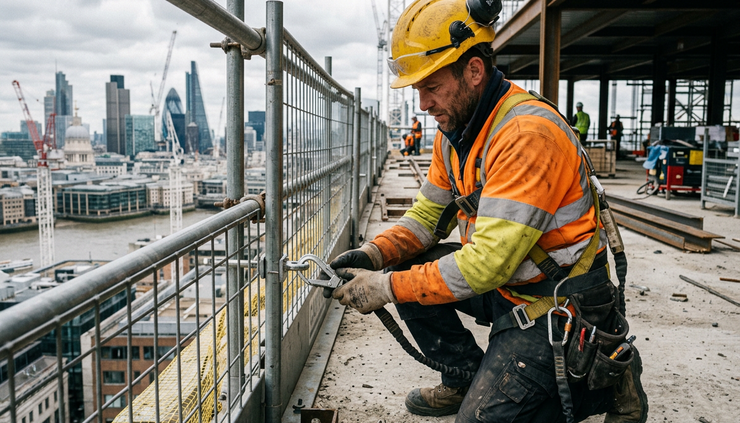
For commercial clients, health and safety also affects business continuity. A poorly managed site can lead to shutdowns, complaints, injuries, or enforcement action. Even when nobody is hurt, unsafe work can cause delays and reputational damage.
One practical test is to visit a live site, if possible. The site doesn’t need to look spotless, because real construction is messy. But it should look controlled. Walkways should be clear. Materials should be stored sensibly. Workers should know who is in charge. Warning signs should match real risks, not just decorate the hoarding.
If a contractor seems casual about safety before appointment, they’re unlikely to become careful after the contract is signed.
Check how they control time, cost, and change
Programme management is where many commercial projects either stay calm or become stressful. A programme is more than a start date and finish date. It should show the order of work, key decisions, lead times, inspections, handover points, and the impact of any client approvals.
A strong contractor will explain the programme in a way that makes sense. They’ll show what must happen before work starts, what could hold things up, and what decisions are needed from the client.
For example, a shop refurbishment might depend on early approval of flooring, lighting, and joinery. A warehouse alteration might depend on access for deliveries, temporary power arrangements, or weekend working. If these choices drift, the end date can move even when the site team is working hard.
The best programme conversations include risk. Watch for contractors who say, “No problem,” to everything. It sounds reassuring, but it can be a warning sign. A more reliable answer sounds like this:
“We can meet that date if the design is frozen by this point, long-lead materials are ordered early, and weekend access is confirmed. If any of those change, we’ll need to review the programme.”
That kind of answer shows control.
Financial transparency is just as important. A low headline price can become expensive if the tender leaves out key items or hides assumptions. A clear contractor will set out what is included, what is excluded, and where the price depends on unknowns.
Ask for a cost breakdown that separates labour, materials, plant, preliminaries, and allowances in plain language. “Preliminaries” simply means the project running costs, such as site management, welfare facilities, security, and temporary services. If that term appears, the contractor should be willing to explain it.
Good financial control should include:
A clear tender return
A list of assumptions
A list of exclusions
A process for approving changes
Regular cost updates
Written approval before extra work begins
Clear records of any agreed variation
A variation is a change to the agreed work. It might be client-led, such as adding a new room layout, or site-led, such as uncovering damaged structure behind existing finishes. Either way, the cost and time impact should be agreed before the work proceeds, unless there’s an urgent safety issue.

These are some of the most useful tips to choose a commercial contractor because they reveal how the firm behaves before there’s pressure. If the pricing is vague, the programme is thin, or every question gets brushed aside, that’s usually a sign of more trouble later.
Look for quality control that happens before handover
Quality doesn’t happen in the final week. It comes from checks throughout the job.
A good contractor should have a clear way to inspect work as it progresses. That includes checking hidden work before it gets covered, confirming materials match the specification, and making sure workmanship meets the required standard.
For example, in a commercial fit-out, walls may look fine once painted. But if framing, insulation, fire stopping, or services behind the wall were not checked properly, the finished space may fail inspections or need opening up later. That costs time and money.
Quality control should include:
Clear drawings and specifications
Named people responsible for checks
Inspection points before work is covered
Records of completed checks
Early snagging, not just final snagging
A proper handover pack
Snagging means listing small items that need fixing, such as damaged finishes, missing seals, doors that don’t close properly, or incomplete labelling. It’s normal for projects to have snags. What matters is how quickly and carefully the contractor deals with them.
A weak contractor leaves snagging until the end, then rushes. A strong contractor starts checking sections as they finish, so the final handover is calmer.
Ask how quality is managed. The answer should be specific. “We take pride in our work” sounds nice, but it doesn’t tell much. Better answers explain who checks what, when inspections happen, and how defects are recorded and closed.
For commercial projects, handover information also matters. Depending on the project, this may include certificates, test records, maintenance instructions, warranties, fire safety information, and drawings showing what was built. These documents are not admin clutter. They help the building owner operate, insure, maintain, and alter the space later.
Choose a contractor who communicates clearly when it counts
Communication sounds soft compared with cost, safety, and programme. In real projects, it’s what holds everything together.
Poor communication creates small gaps that become expensive. A late answer on finishes can delay orders. A missed warning about noise can upset neighbours. A vague update can leave the client thinking everything is fine until the delay is already locked in.
Good communication has rhythm. There should be a chosen contact, regular updates, and a clear record of decisions. For a commercial client, the format doesn’t need to be complicated. A short weekly update can work well if it covers:
Progress made
Work planned next
Decisions needed
Costs approved or pending
Programme risks
Safety or access issues
Photos of key areas
The best contractors raise problems early. That’s not negativity. It gives everyone time to make better choices.

Pay attention to communication during tender stage. Do they answer the actual question? Do they explain risks clearly? Do they admit when something needs checking? Do they send information when promised?
The tender period often predicts the project. If it’s hard to get a clear reply before appointment, it probably won’t get easier once the site is live.
FAQ
What is the most important thing to check before hiring a commercial contractor?
Relevant experience is the best starting point. Look for projects with similar size, use, site limits, and client needs. Then check references, safety standards, programme detail, and cost clarity before making a decision.
Should I choose the cheapest commercial construction quote?
Not without checking what’s included. A cheap quote may leave out key costs, rely on unrealistic timings, or include vague allowances. Compare quotes on scope, quality, programme, safety, and exclusions, not price alone.
How can I tell if a contractor takes safety seriously?
Ask how they plan safety for the specific site. Look for site inductions, clear supervision, safe access routes, regular checks, and evidence of planning around workers, visitors, neighbours, and occupied areas.
What should a contractor include in a project programme?
A useful programme should show the order of work, key dates, approval deadlines, material lead times, inspections, and handover stages. It should also highlight risks that could affect the finish date.
How often should a commercial contractor provide updates?
Weekly updates suit many commercial projects, though complex or fast-moving jobs may need more frequent contact. The main thing is consistency. Updates should cover progress, decisions, risks, costs, and next steps.
The right contractor makes the project feel controlled
Choosing a commercial construction contractor is really about trust backed by proof. Look for similar experience, a serious approach to health and safety, a realistic programme, clear costs, proper quality checks, and communication that stays steady when pressure rises.
A strong contractor won’t promise a perfect project. They’ll show how they prevent avoidable problems, deal with real ones, and keep everyone informed along the way. That’s what turns a build from a stressful gamble into a managed commercial project.


Comments